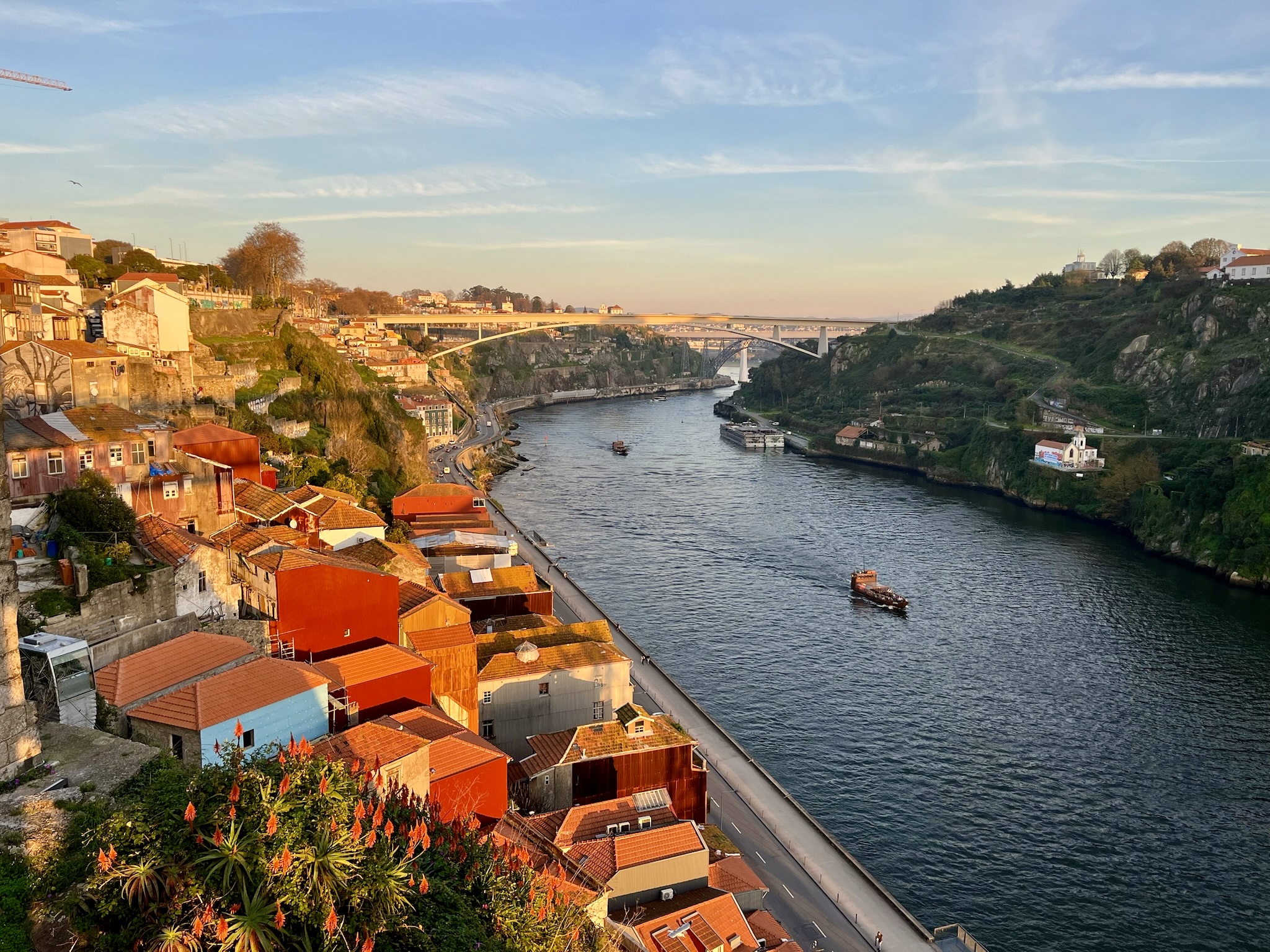

Welcome to the very first entry of my weekly travel series: a place where I’ll share curated itineraries, destination deep-dives, hotel spotlights, and thoughtful travel inspiration designed to help you wander, well. Each week, I’ll take you somewhere new, offering the kind of details and insider tips that make a journey not just memorable, but effortlessly elevated.
I’m beginning this series in a country that continuously sweeps me off my feet: Portugal. With its golden coastlines, vibrant cities, soulful cuisine, and remarkably warm hospitality, Portugal is one of those rare destinations that feels both deeply historic and delightfully fresh. If you have about a week (give or take), this itinerary captures a perfect blend of culture, cuisine, scenery, and that easygoing Portuguese charm.
Let’s begin.


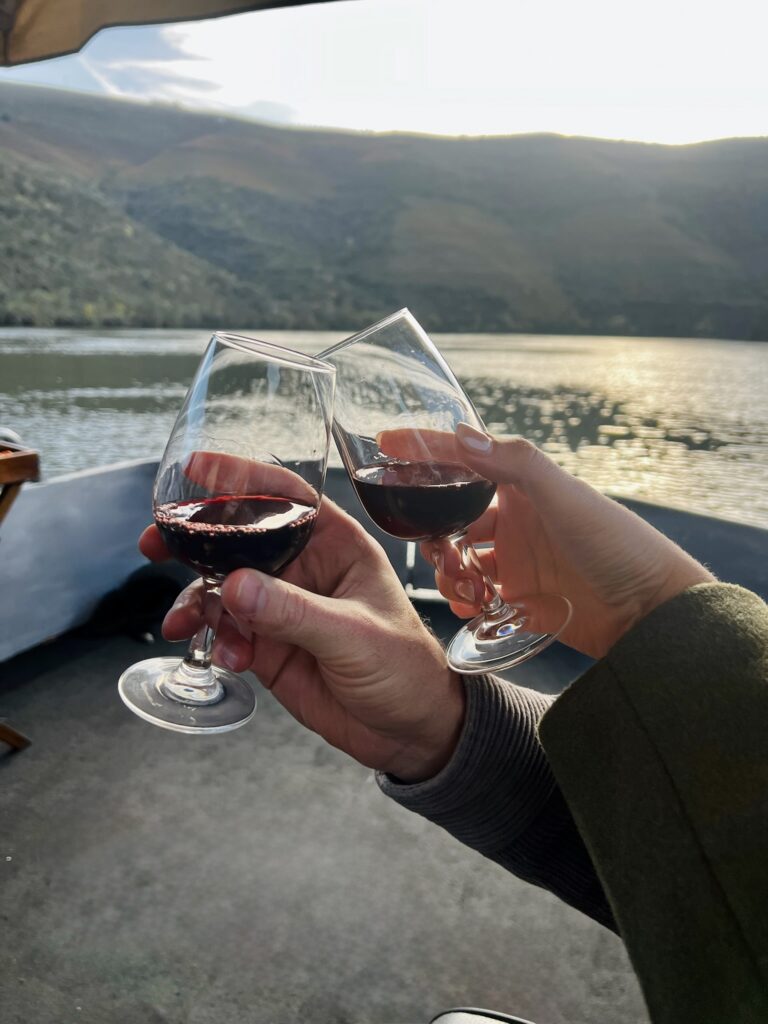
Day 1-2: Douro Valley, where the story begins in the vineyards
There are few places in Europe as quietly enchanting as the Douro Valley. Terraced vineyards cascade down steep hillsides, the river glimmers below, and time seems to move just a little slower here.
To start your week, I recommend a private wine tasting experience, the kind that goes beyond “wine tourism” and into something more intimate, more considered. I booked a sommelier-led promenade tour with a remarkable local company, and it set the tone for the whole trip: personal, generous, deeply knowledgeable. It’s the sort of encounter that stays with you long after the last sip.
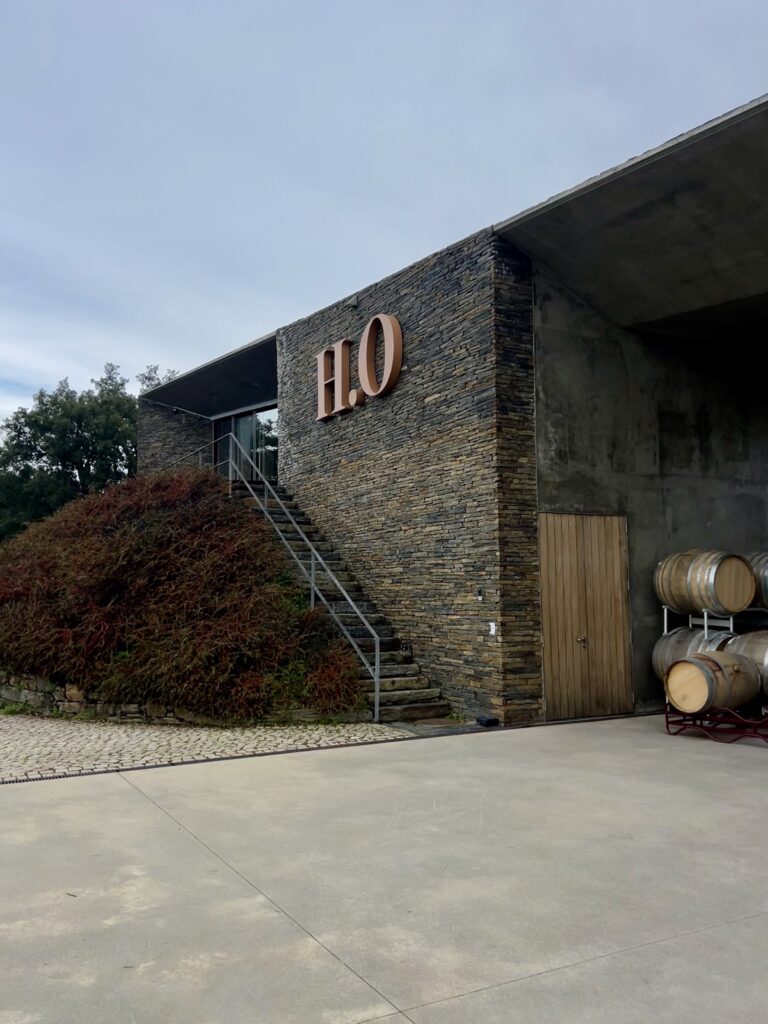
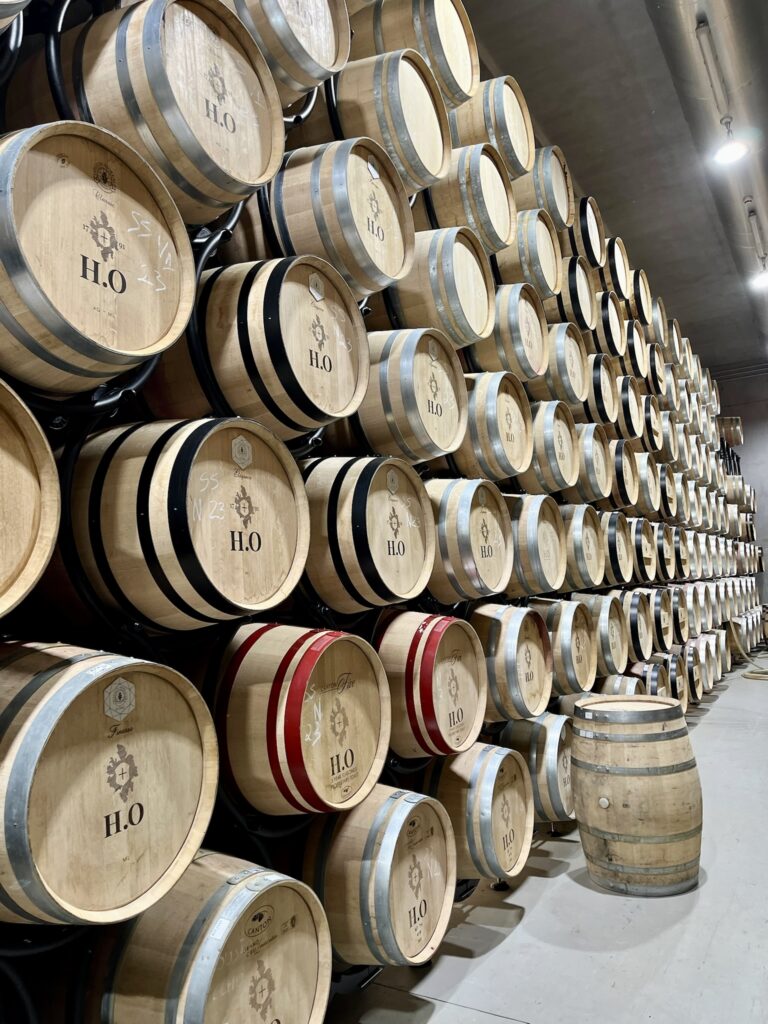
One of the standout wineries on our tour was the incredible H.O Wines. Their philosophy blends old-world principles with a modern, meticulous approach, and you can feel that balance in every detail — from the way they speak about their vineyards to the nuanced, expressive wines they pour. The winery is stunning in design, has magnificent valley views, and is completely unforgettable. Visits here feel less like a tasting and more like stepping into a legacy of craftsmanship that’s both timeless and thoughtfully cultivated.

Alongside vineyard hopping, a cruise down the Douro River is an absolute must. Drifting between the valley’s terraced slopes offers a perspective you simply can’t get from the road. It’s peaceful, scenic, and a beautiful way to understand the landscape that gives these wines their soul.
If you can, also visit a winery that still practices traditional grape stomping, a method preserved for producing the highest-quality port wines. There’s something special about watching this centuries-old craft continue today, a living link between heritage and modern craftsmanship.
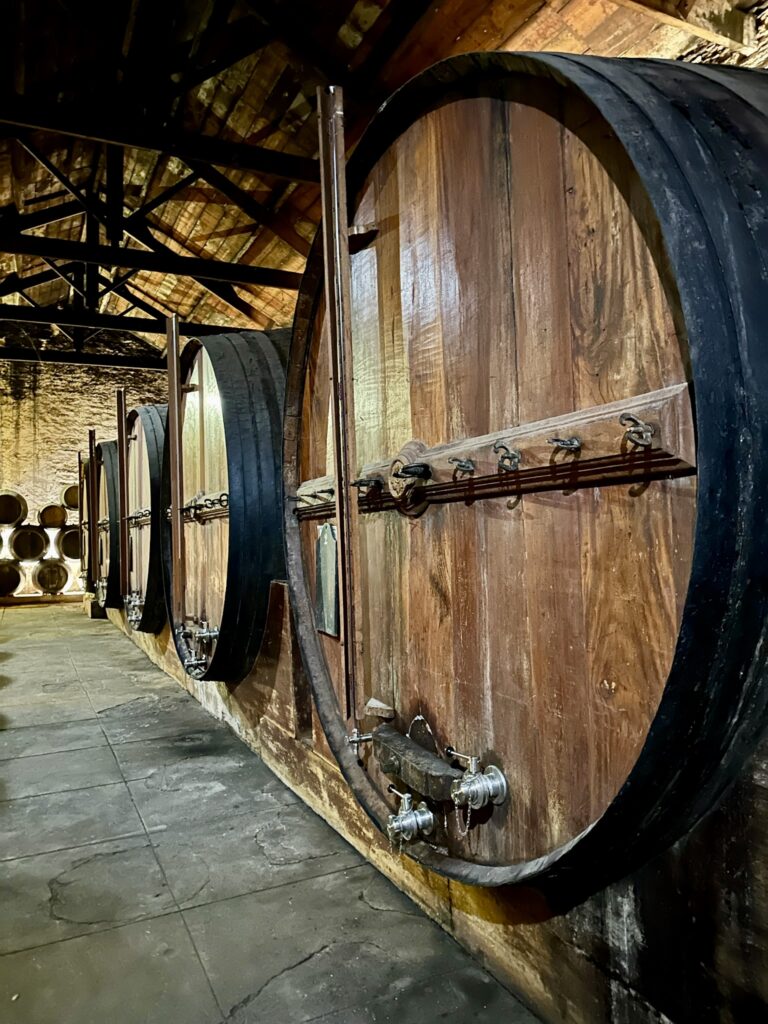
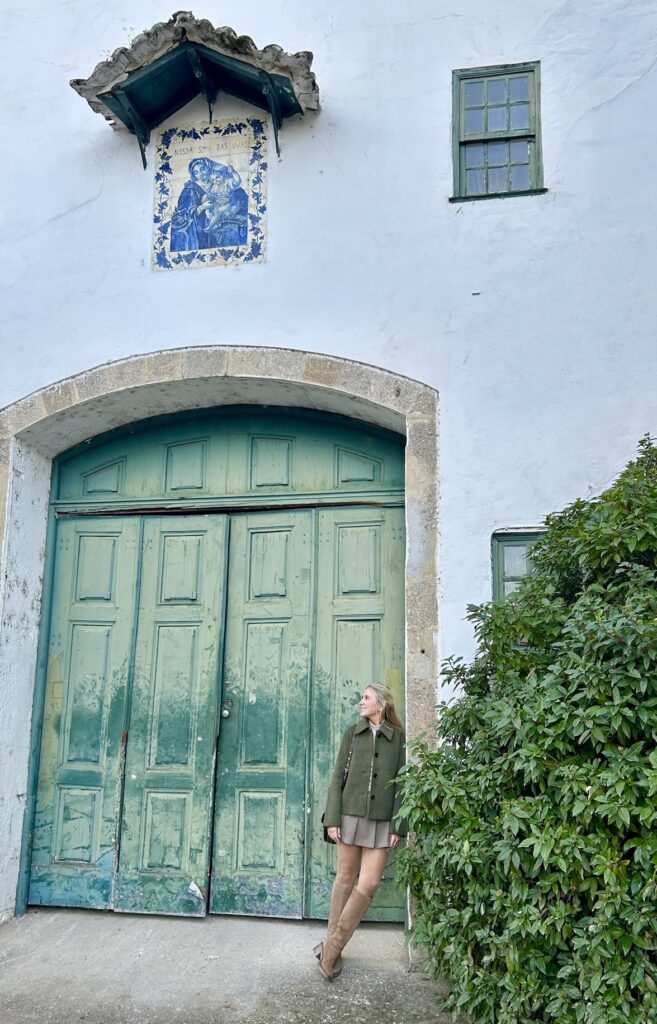
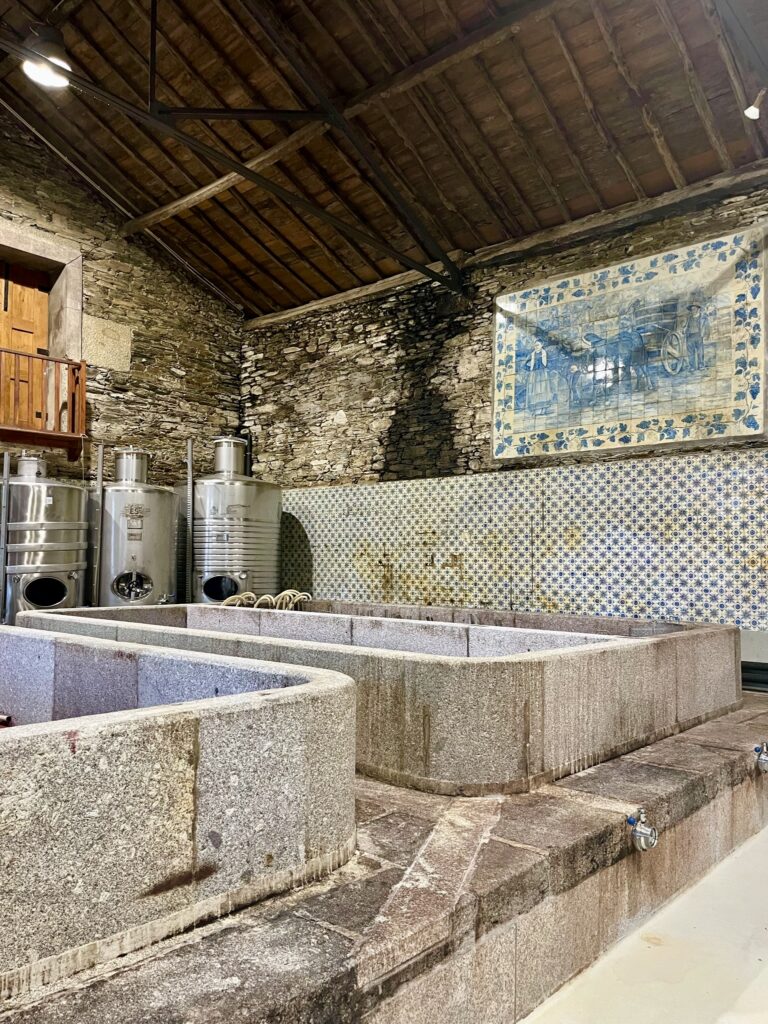
After a day spent savoring wines and scenery, settle into your hotel, enjoy a quiet dinner overlooking the valley, and let jet lag melt into contentment.
Day 3: Porto — Eat, Sip, Wander
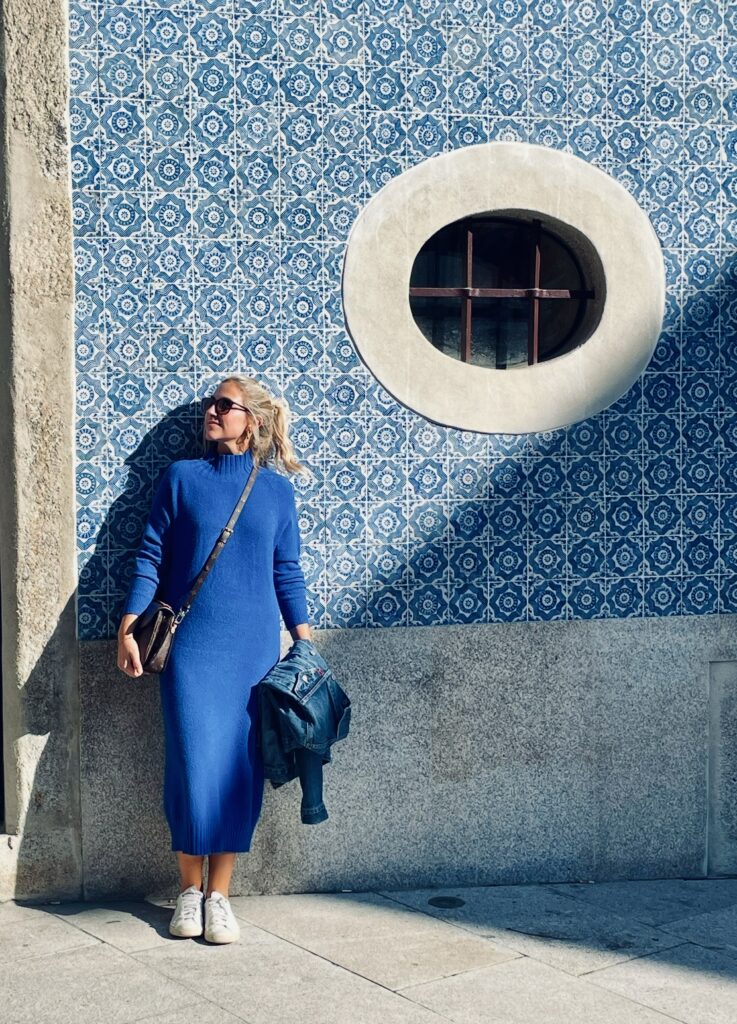
From the valley, head west toward the city of Porto — a place that seems to shimmer with old-world romance. Pastel buildings, tiled façades, winding lanes, and the ever-present Douro flowing toward the sea. To truly understand Porto, you must explore it on foot, and you might as well do it deliciously.
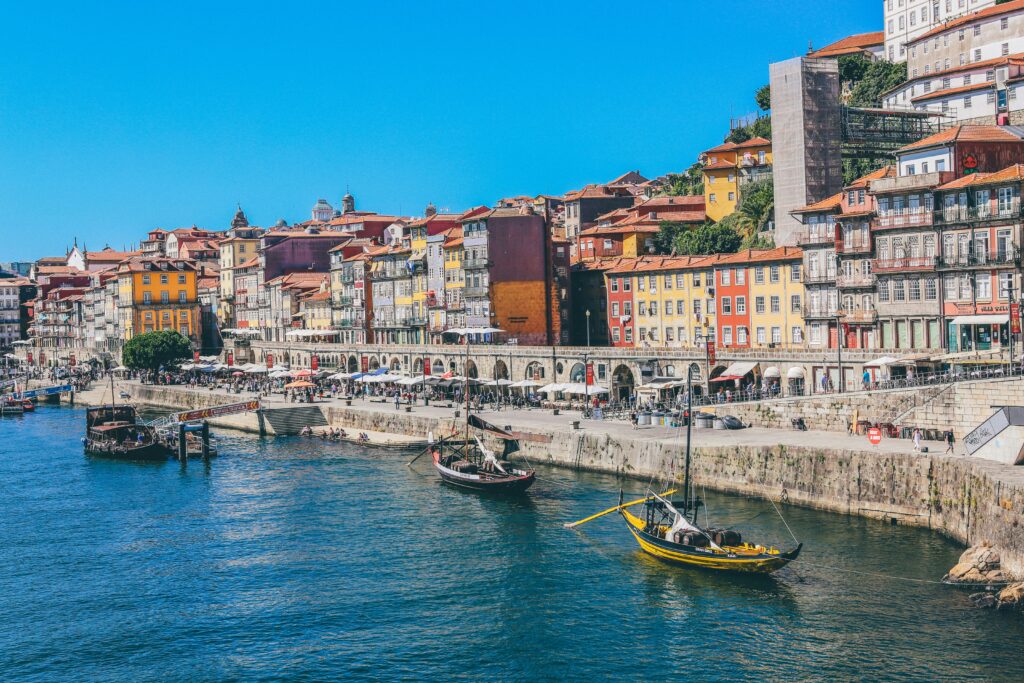
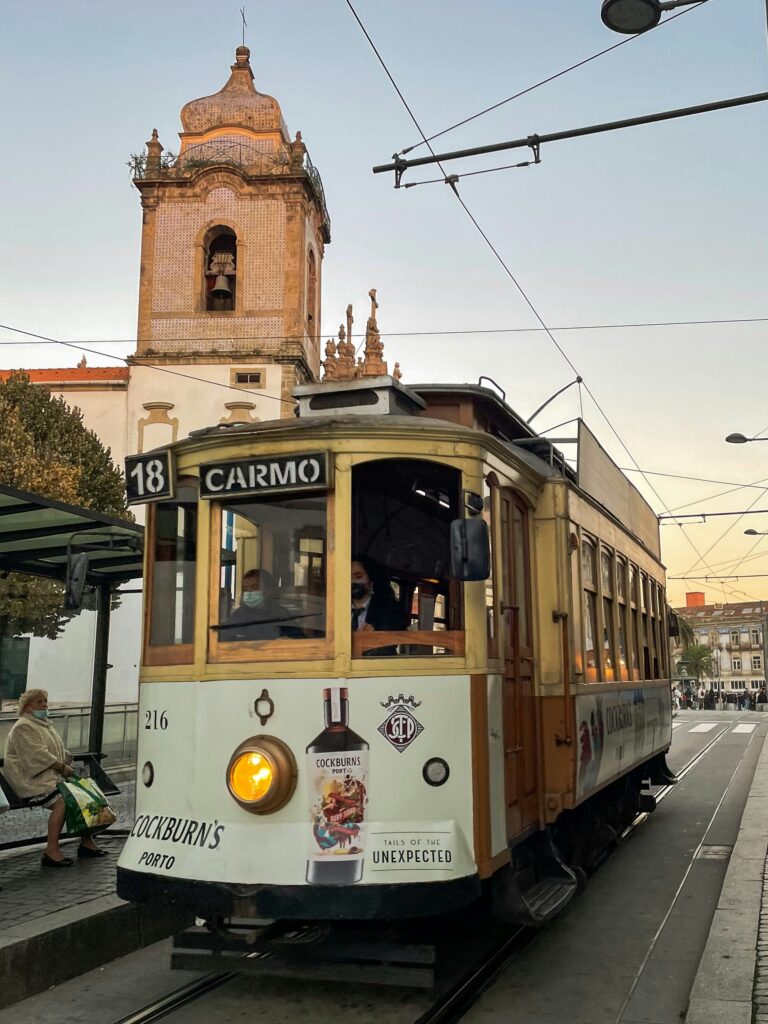
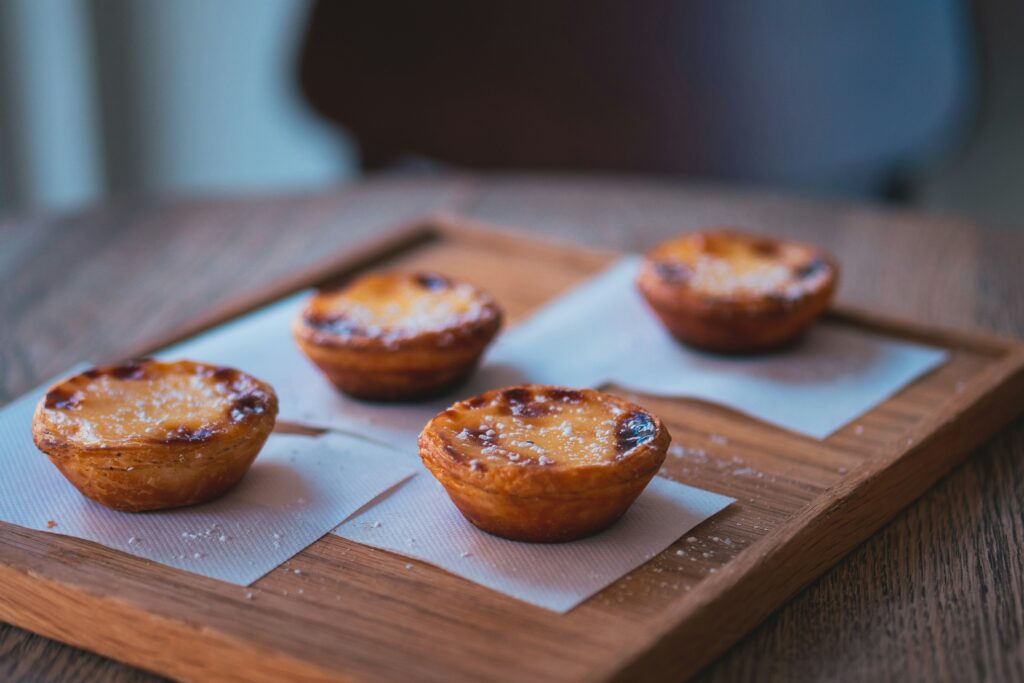
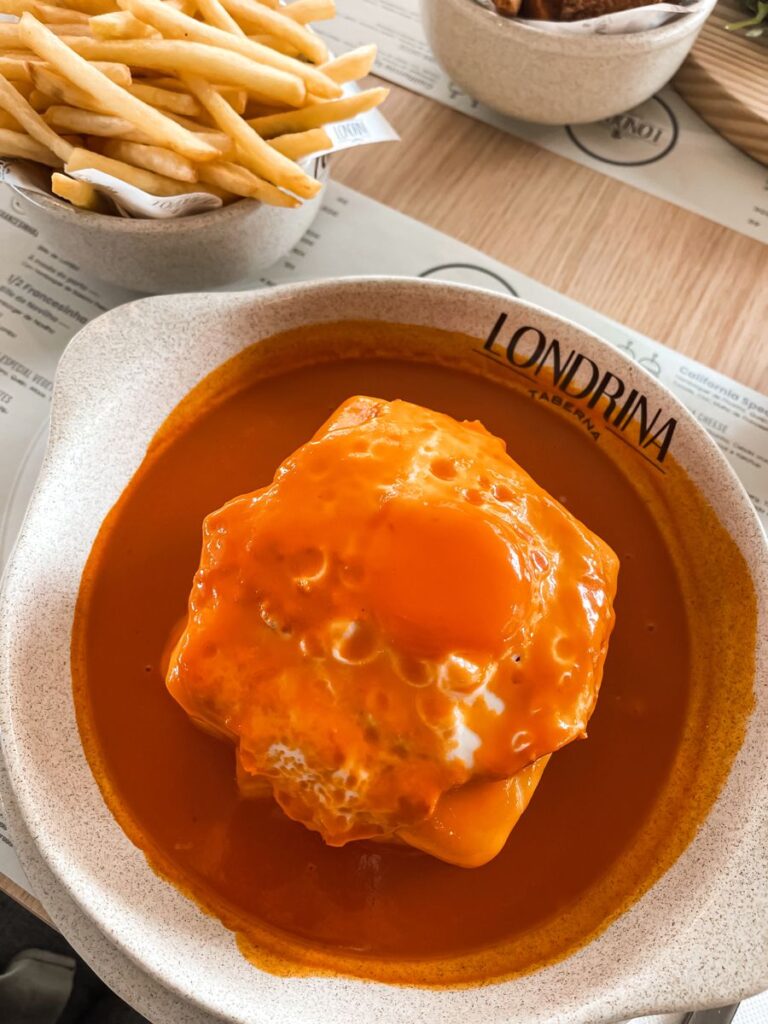
A walking food tour is my favorite introduction to the city. It’s the perfect way to taste iconic dishes while wandering through Porto’s most atmospheric neighborhoods. Along the way, stop for:
- Pastel de Nata, warm and caramelized — a nonnegotiable.
- Francesinha, the iconic indulgent sandwich.
- Bifana, thinly sliced pork tucked into a soft roll.
- And of course: a proper glass of port wine, best enjoyed in the neighborhood where it’s born.
Between bites, take in a few of Porto’s most beloved sites, like the Church of St. Francis, known for its intricate Baroque interiors, the Torre dos Clérigos, the highest bell tower in Porto, and last but not least, the São Bento Railway Station. Completed in 1916, the station’s grand entrance hall features over 20,000 hand-painted tiles depicting moments from Portugal’s history.
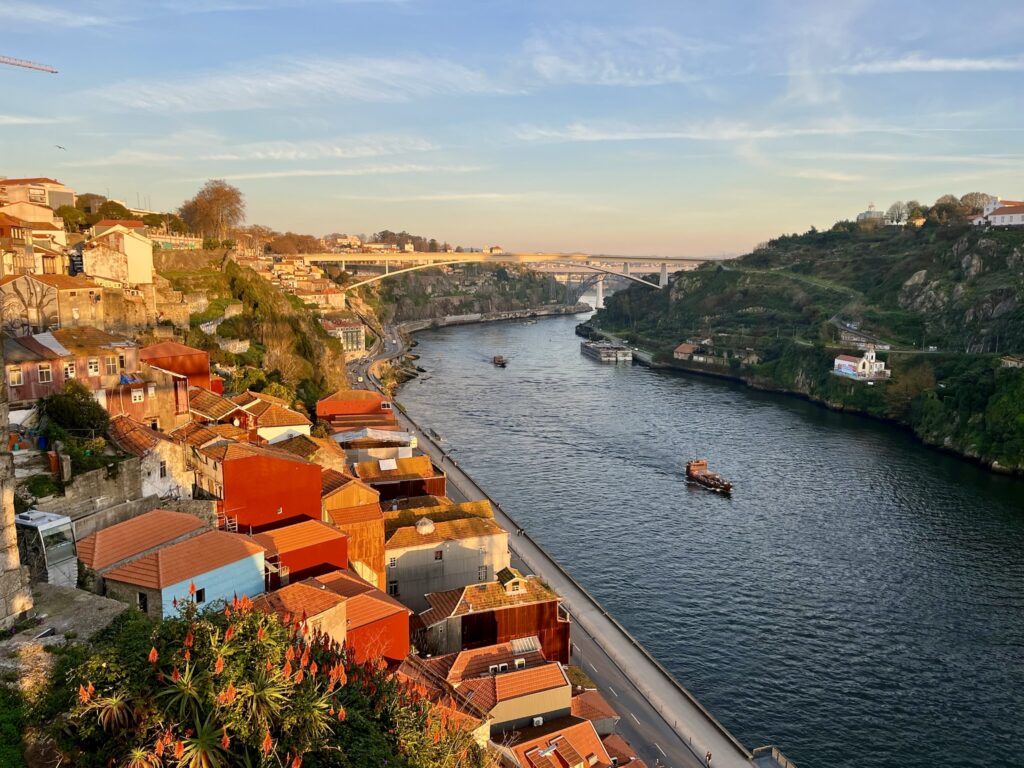
Be sure to wander through Mercado do Bolhão, a historic market filled with local produce, artisanal goods, and the kind of souvenirs that actually feel meaningful. It’s the perfect place to pick up gifts for friends or something to enjoy later in your travels.
As the day winds down, walk across Porto’s famous Luís I Bridge at sunset. The sky softens into warm shades of gold and rose, the city lights begin to shimmer, and the Douro takes on a gentle glow. Find an outdoor table along the water for dinner and drinks — it’s one of the most magical evening settings in Portugal.
Day 4: Nazaré & the road to Sintra
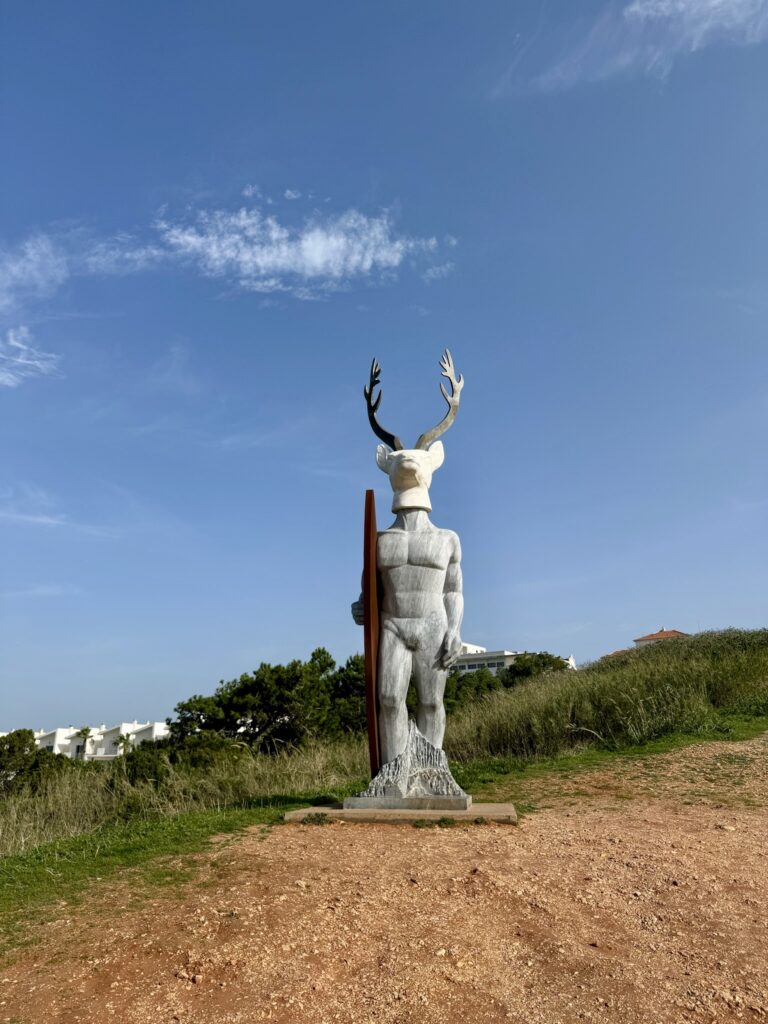
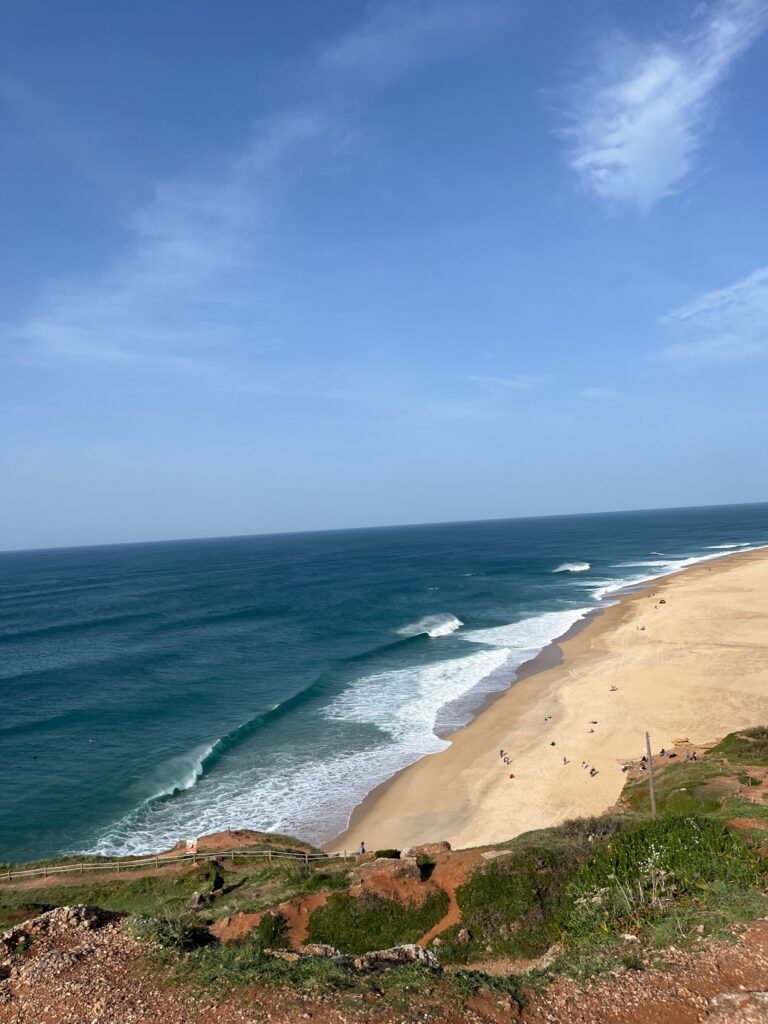
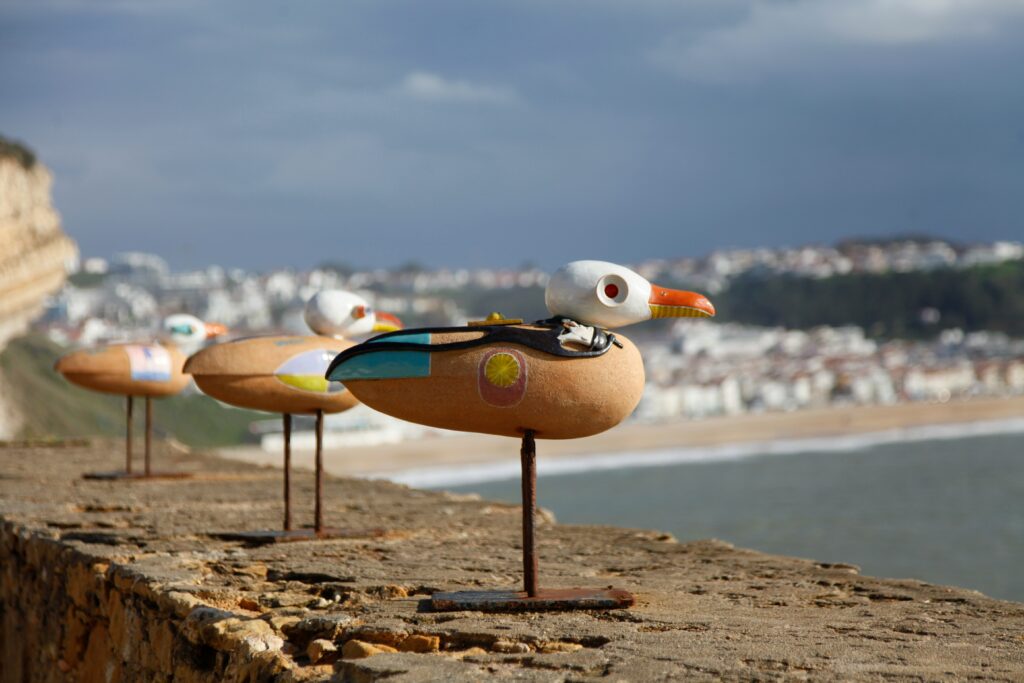
Leaving Porto behind, make your way south toward Sintra — but not without a stop in the legendary coastal town of Nazaré. Known for producing some of the world’s largest waves, Nazaré is a pilgrimage site for big-wave surfers and spectators alike. When conditions align, the waves are truly jaw-dropping — walls of water rising out of the Atlantic in a way that feels almost surreal.
Even if the sea is calm, Nazaré is charming. Picture:
- Bright cafés and seafood restaurants lining the waterfront
- Small shops selling local crafts and beachwear
- Long, golden beaches perfect for a lingering walk
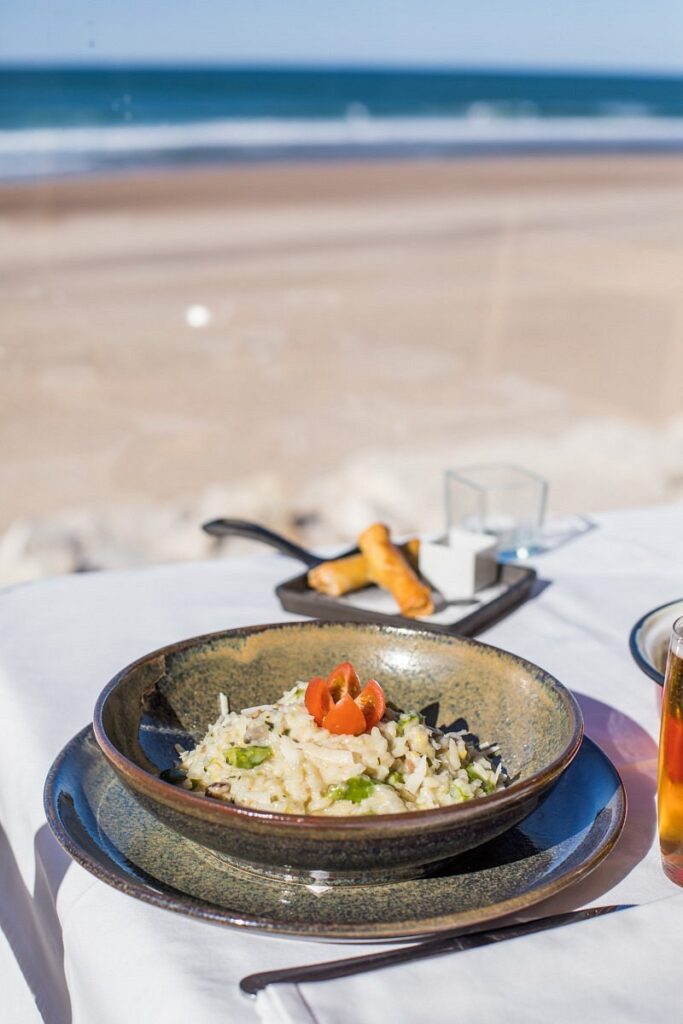
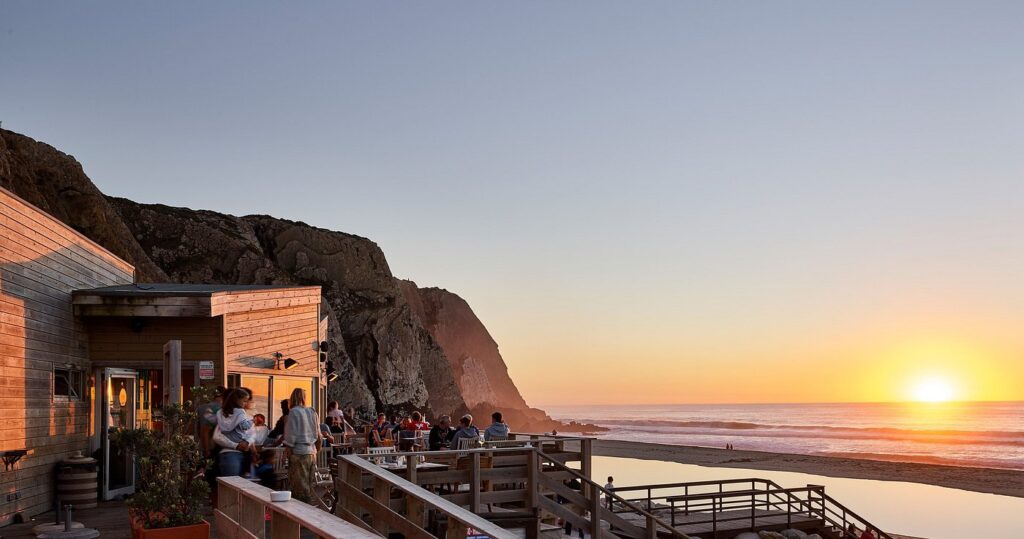
After exploring the coast, continue driving south and plan for a late lunch at Bar do Fundo, a gorgeous seaside restaurant located a few hours beyond Nazaré. With sweeping views of the Atlantic and fresh, beautifully prepared seafood (the shrimp risotto was exceptional), it’s the perfect midpoint stop before arriving in Sintra.

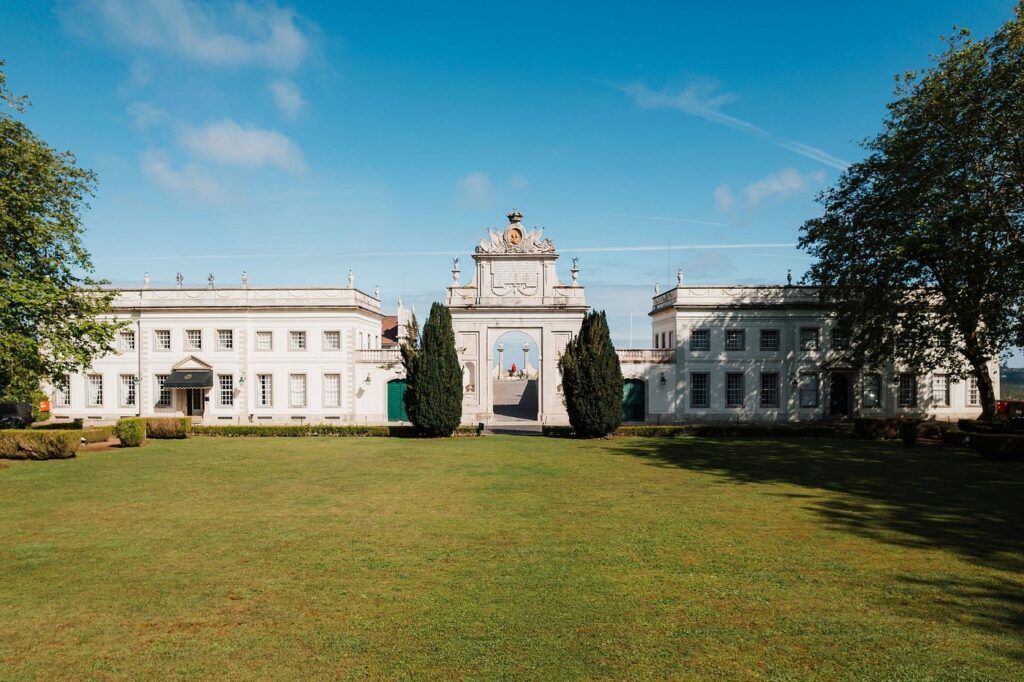
A short drive later, you’ll reach Sintra, where you can unwind for the evening. If possible, stay at the Tivoli Palácio de Seteais, a palace-turned-hotel set in the heart of town. The experience of staying here — opulent halls, sweeping views, and a palpable sense of history — adds a layer of enchantment to your first night in this already ethereal destination.
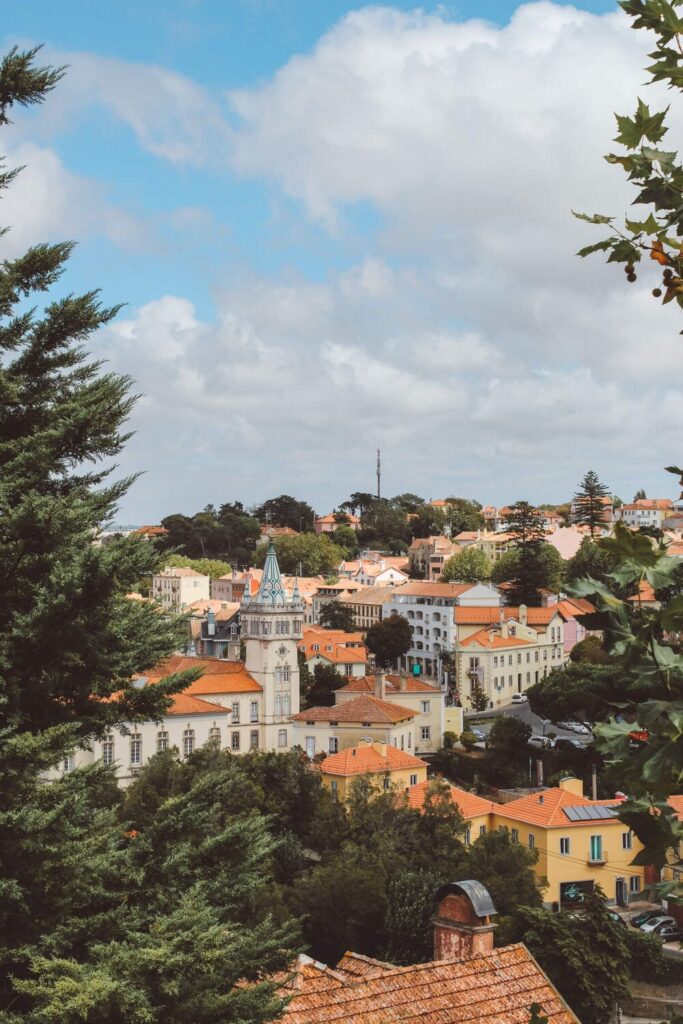
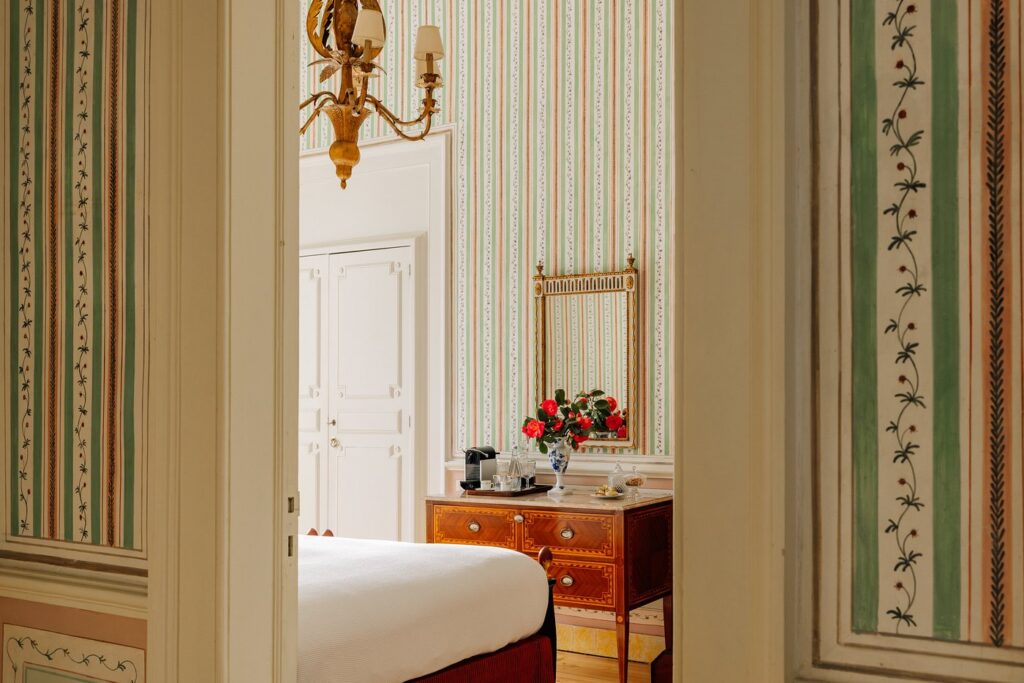
Day 5: Sintra, a fairytale on foot
Sintra is one of Portugal’s crown jewels: a dreamscape of 19th-century Romanticist architecture, forested hills, storybook palaces, and castle ruins tucked among the trees. It’s truly one of the most magical places in Europe.
Start your morning with pastries and a coffee in town, lace up comfortable walking shoes, and set off on foot. The paths in Sintra are lush, well-marked, and surprisingly peaceful.
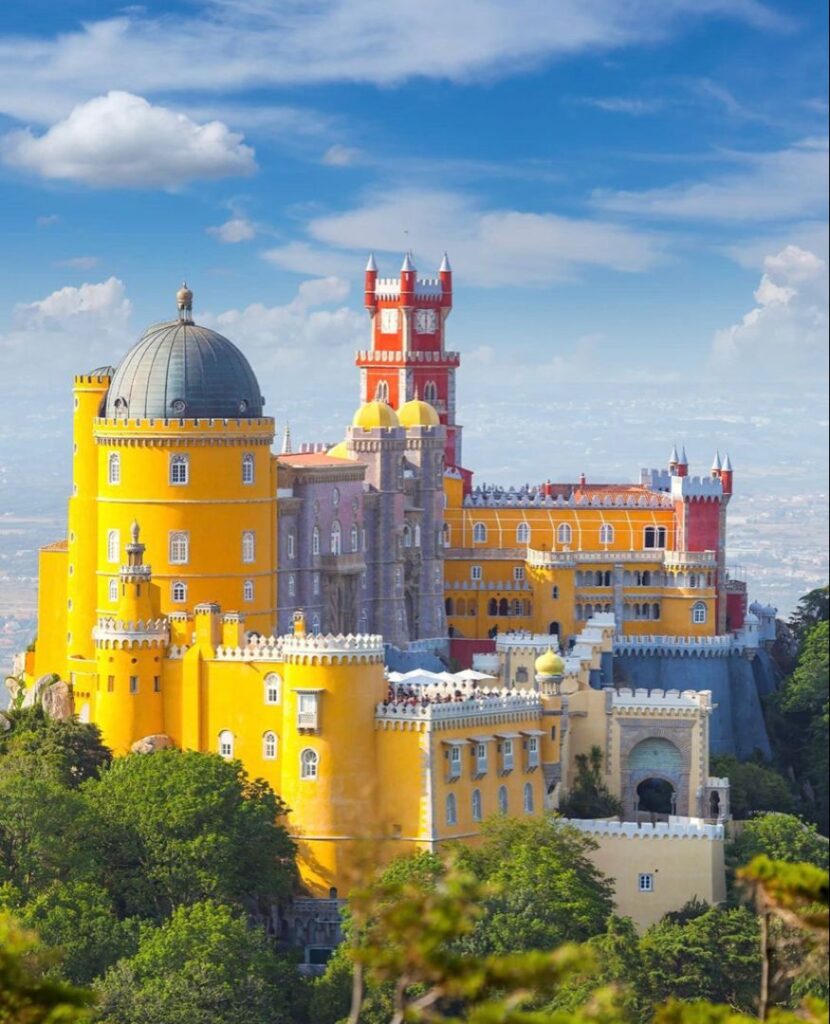
Your first stop is the iconic Pena Palace, perched high above the town in a palette of bold colors. Built in the 19th century, this Romanticist masterpiece blends Moorish, Manueline, and Gothic influences, resulting in a palace that feels straight out of a storybook.
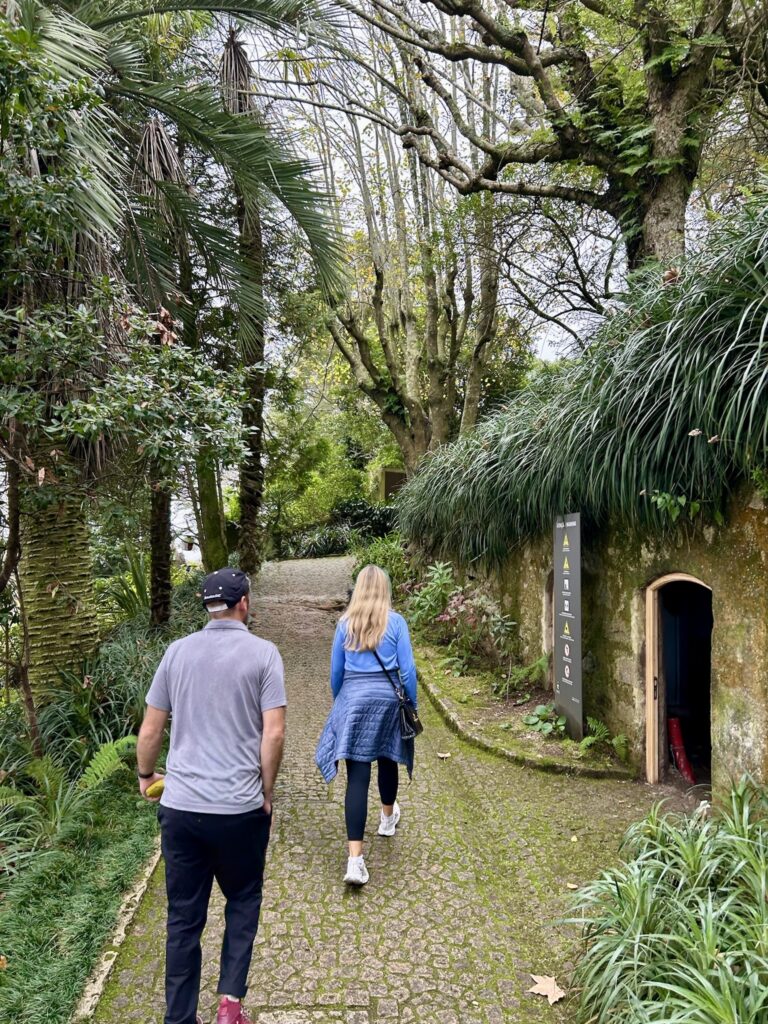
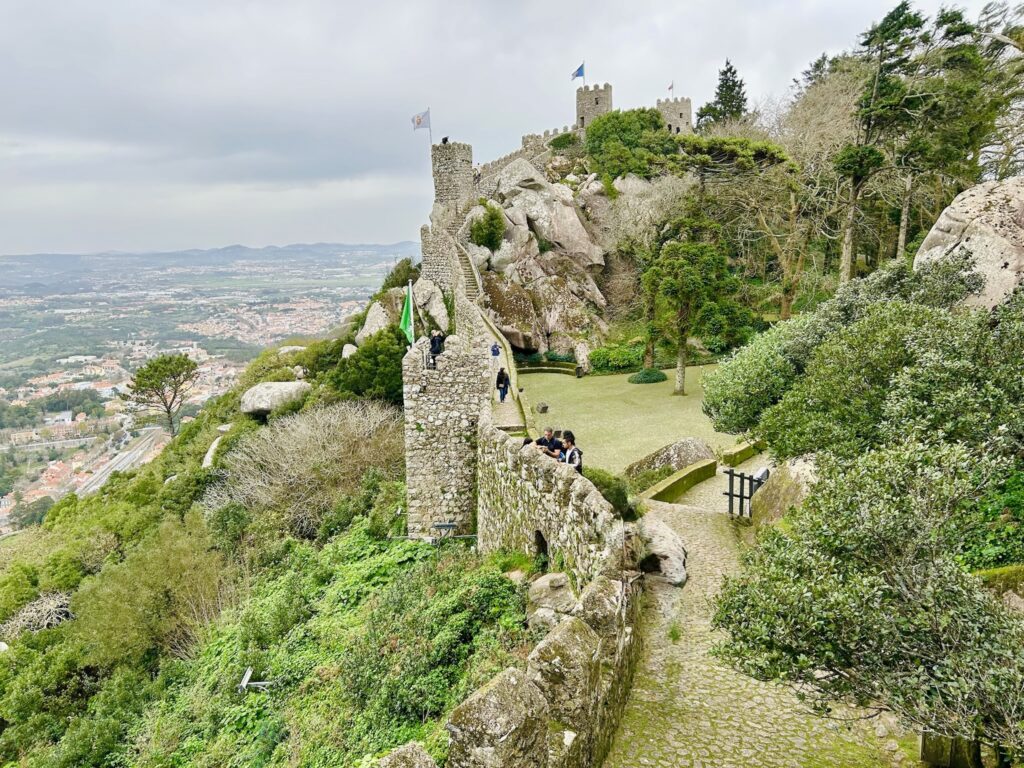
From there, walk over to the Moorish Castle — a dramatic medieval fortress with ancient stone walls and panoramic views stretching all the way to the ocean. Its origins trace back to the 8th and 9th centuries, and wandering its battlements offers a captivating glimpse into Portugal’s past.
For lunch, I loved Meia Pipa — authentic, sharable tapas in a cozy, unfussy setting that feels wonderfully local.
Spend your afternoon at Quinta da Regaleira, a mesmerizing estate known for its gardens, grottoes, and the famous Initiation Well — a spiraling, symbolic descent that feels equal parts mystical and architectural. The estate was built in the early 20th century but feels timeless, layered with symbolism and secrets.
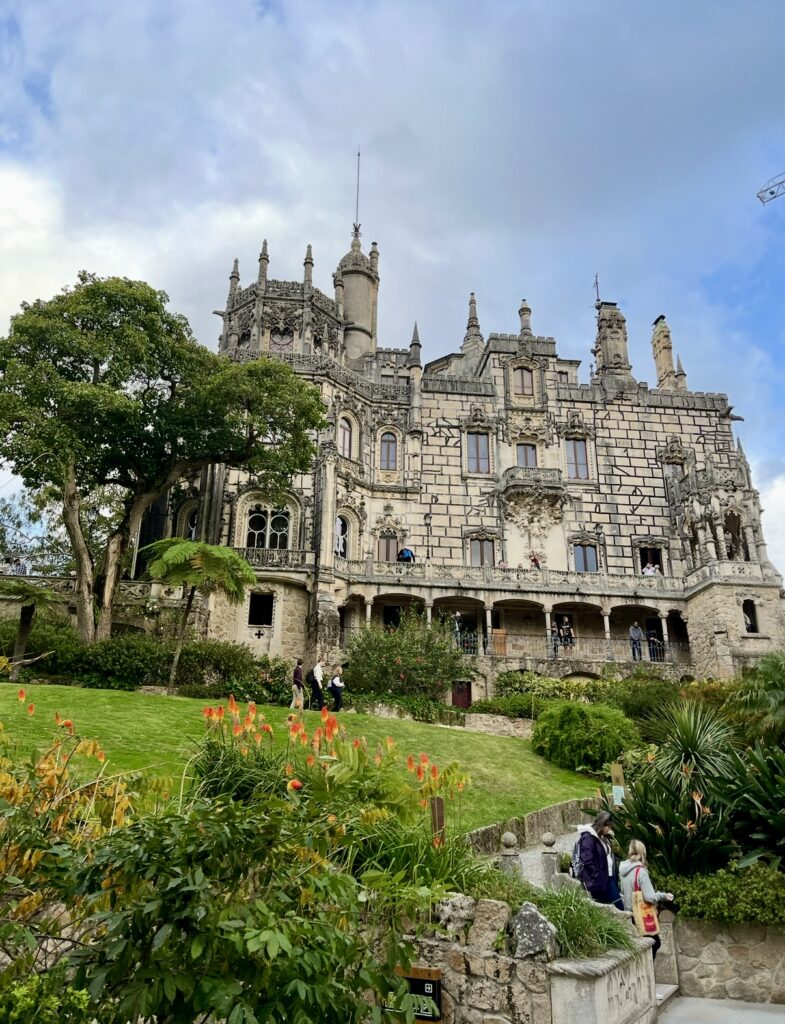
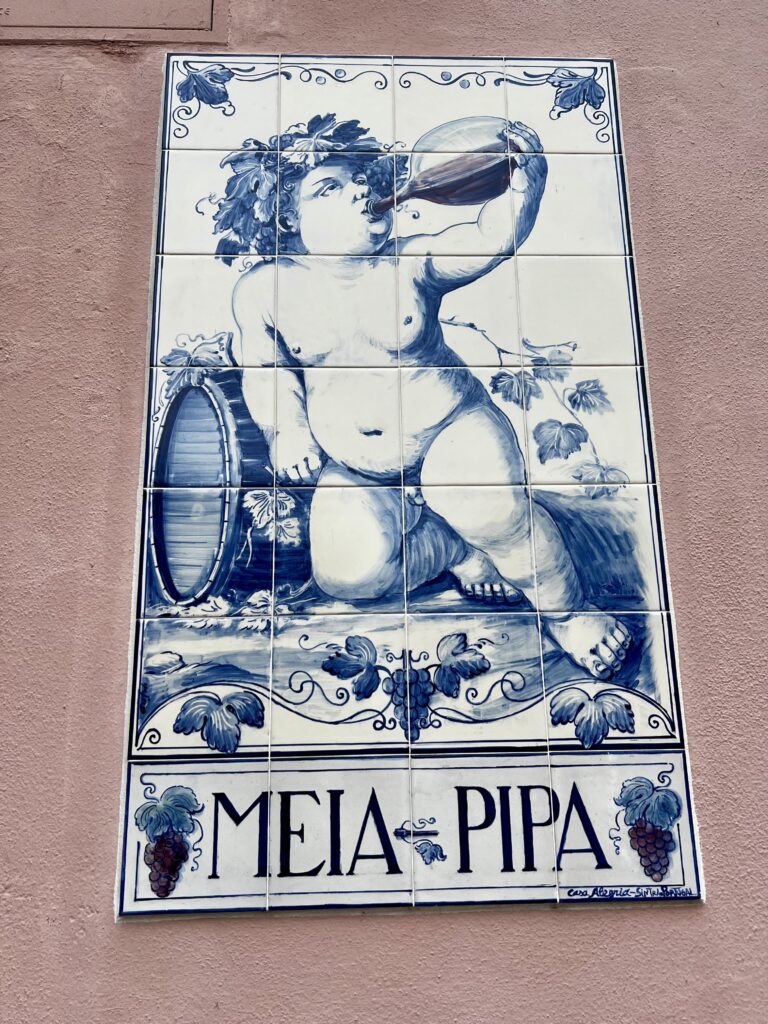
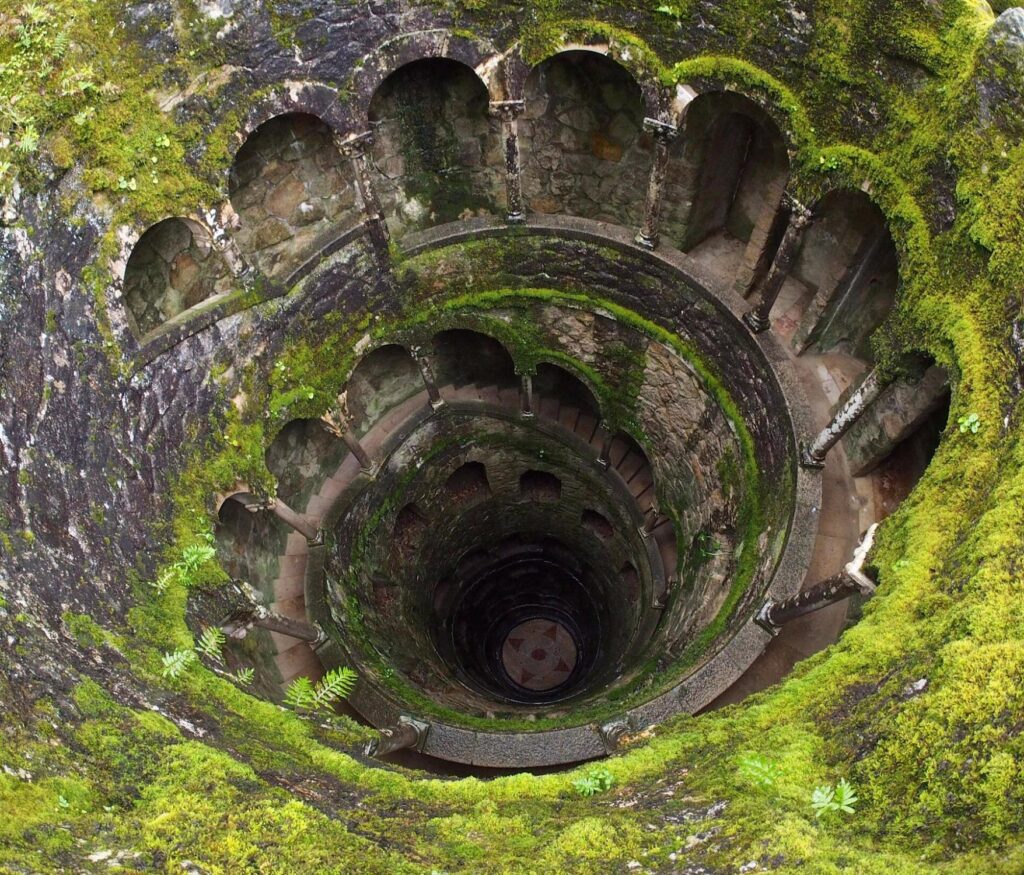
For dinner, head to Romaria de Baco. It’s traditional Portuguese cuisine, full of flavor and charm, tucked away from the busiest tourist spots — perfect after a day of wandering.
Day 6–7: Lisbon, the capital of light
Portugal’s capital, Lisbon, deserves as much time as you can give it — but even a day or two offers a beautiful introduction. Start as early as possible; the city’s hills and labyrinthine neighborhoods are best enjoyed before the crowds arrive.
To cover the most ground with ease, begin with a Tuk Tuk tour. These nimble (and surprisingly fun) vehicles can whisk you between viewpoints, historic districts, and photogenic corners that would take hours to reach on foot.
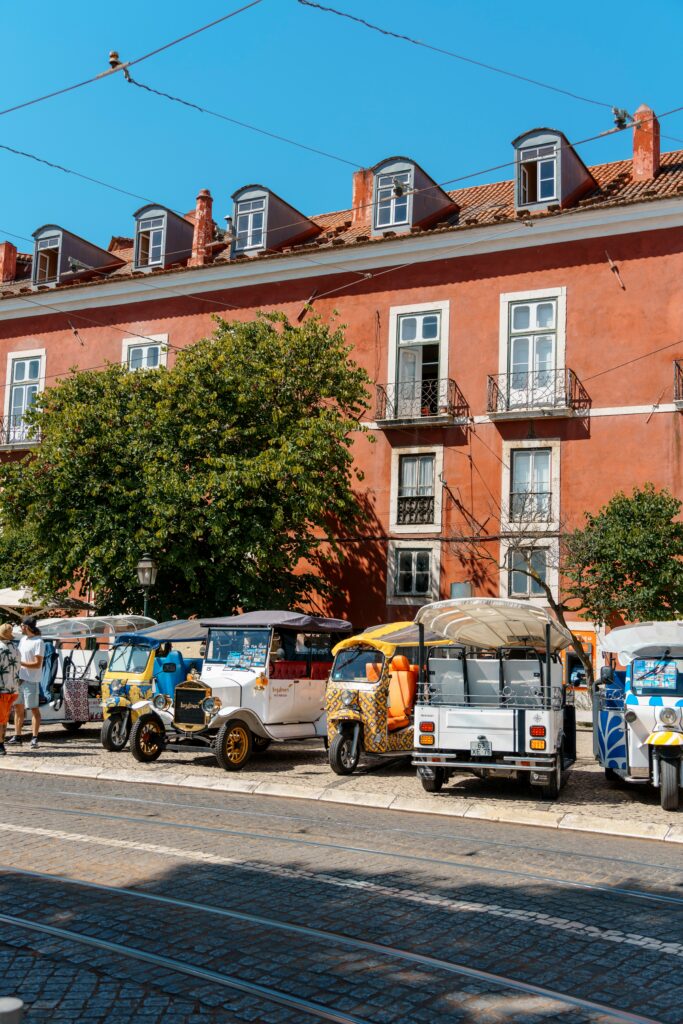
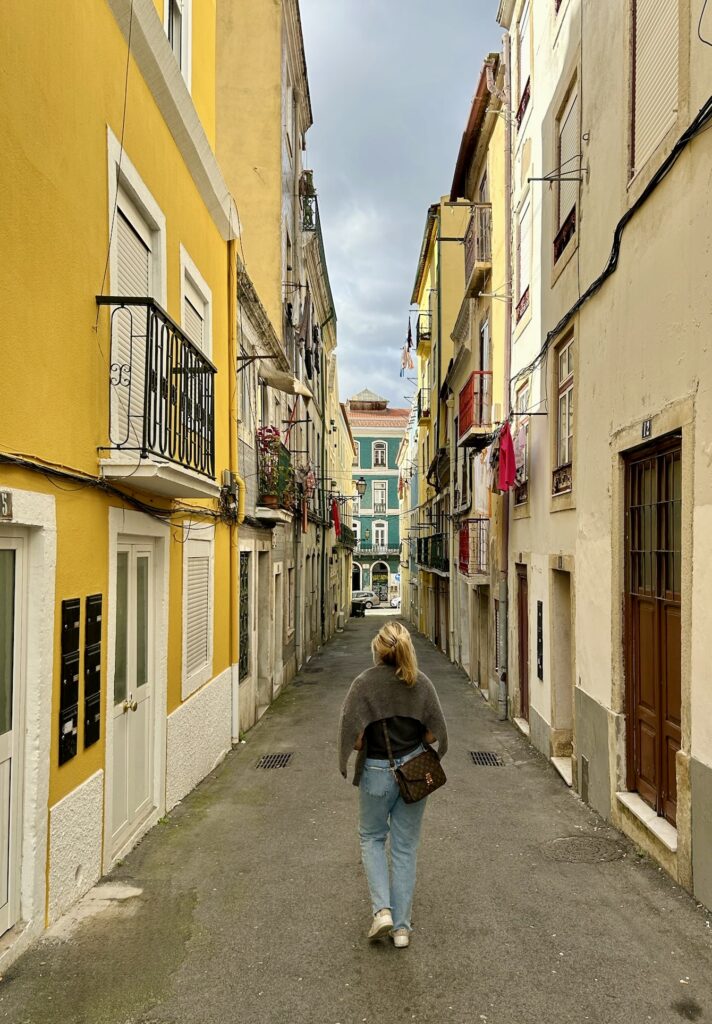
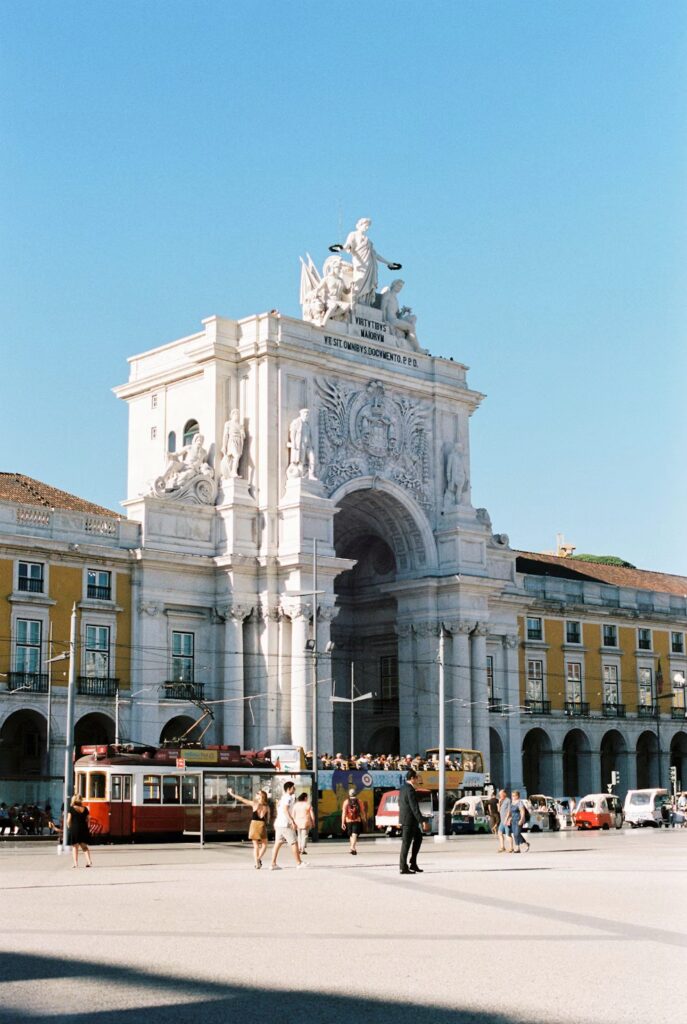
Afterward, slow the pace. Wander Lisbon’s sunlit streets, admire its vibrant mural art, and pop into the kind of small shops that sell everything from ceramics to linen to gourmet treats.
If you can, book a table at O Faia for a traditional Fado show. Fado is Portugal’s soulful musical tradition — expressive, emotional, and rooted in stories of longing and life by the sea. Hearing it live, in an intimate setting, is unforgettable.
If your timing aligns, consider attending a Sporting Lisbon football match at Estádio José Alvalade. The energy here is electric — truly indescribable — and cheering alongside devoted locals is one of the most spirited cultural experiences you can have. Just be sure you’re cheering for the home team.
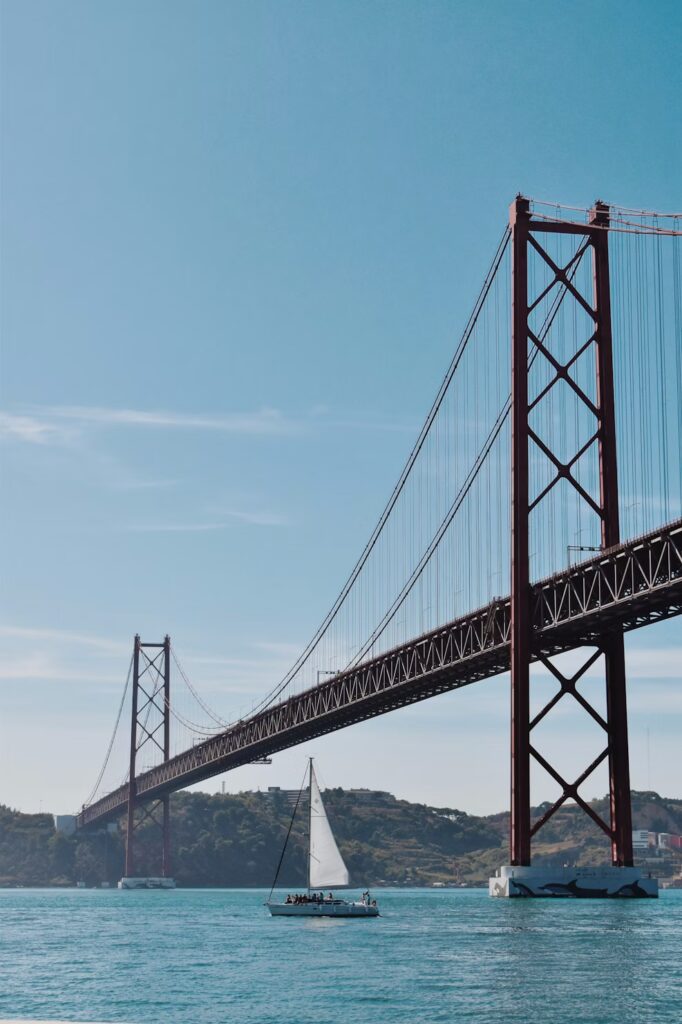

For hotels, Lisbon has several lovely options:
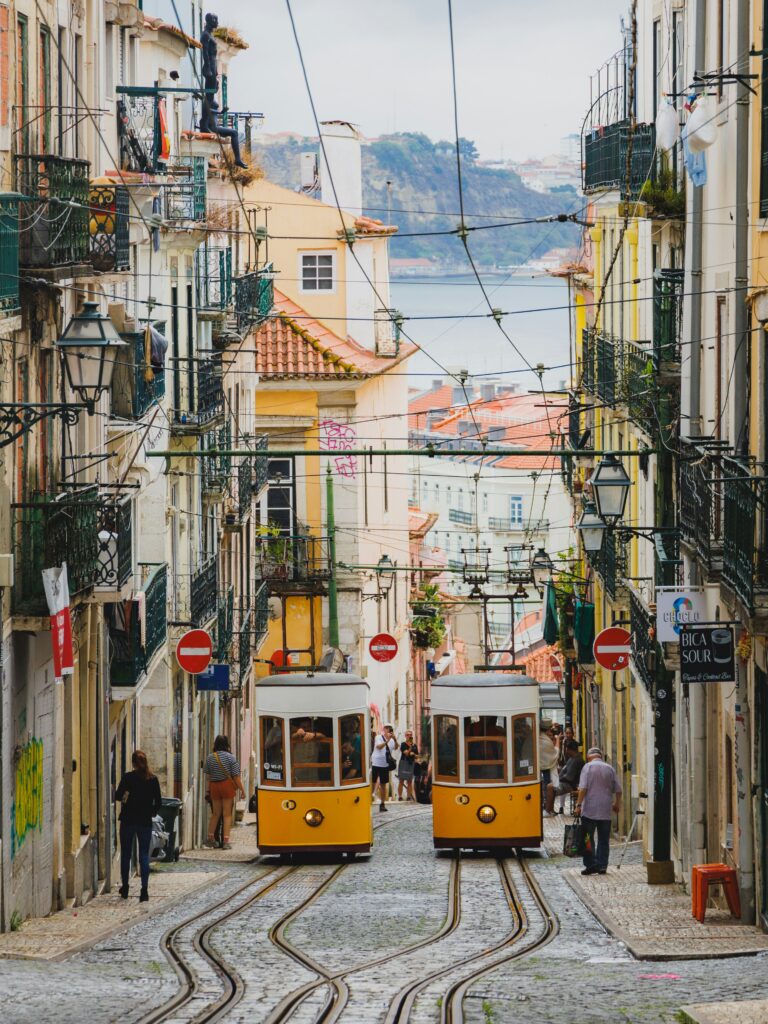
- Bairro Alto Hotel — my personal favorite. A privately owned boutique property set in one of Lisbon’s most fashionable and lively districts. With trams passing right outside its doors and a warm, personalized style of hospitality, it feels effortlessly luxurious in a way only an intimate hotel can.
- Four Seasons Hotel Ritz Lisbon — an icon of refined comfort. Overlooking Parque Eduardo VII at the heart of the city, it offers one of Lisbon’s most striking vantage points and that signature Four Seasons polish.
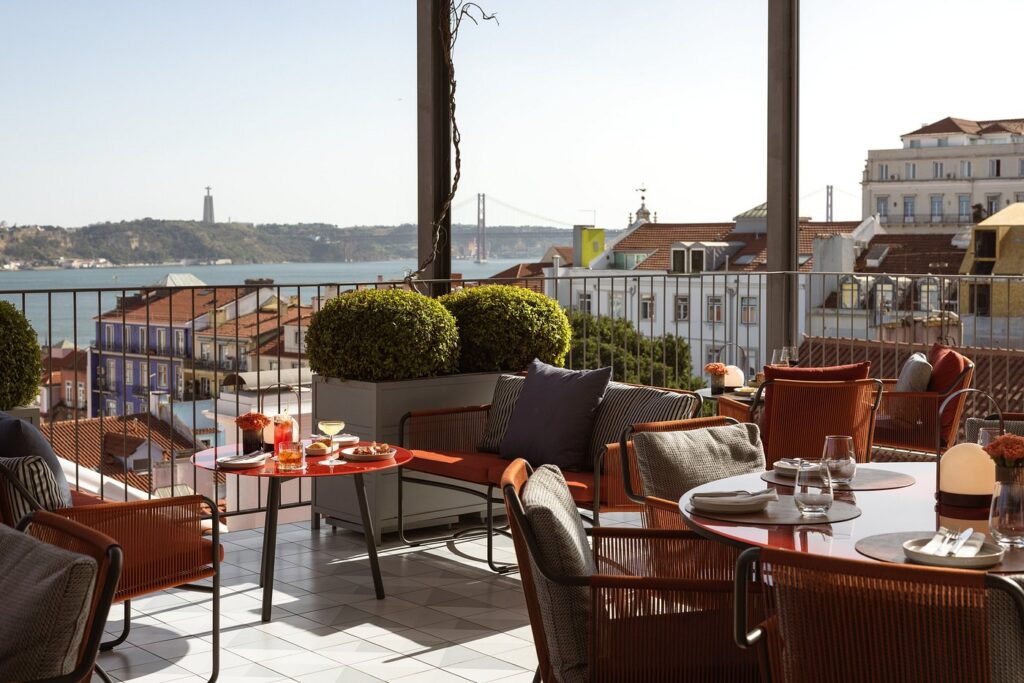
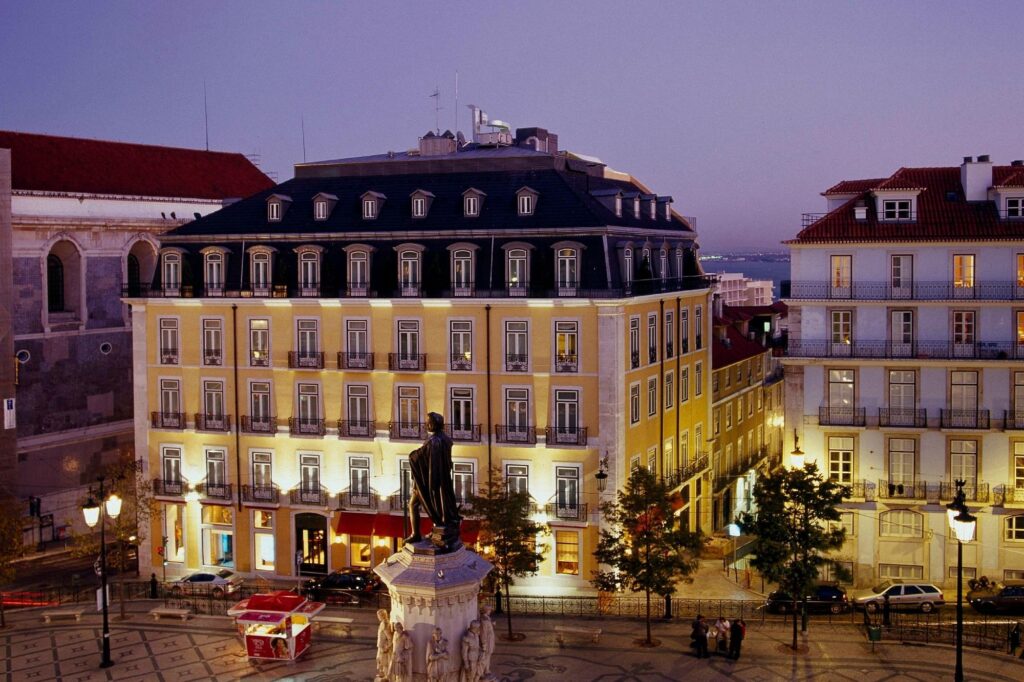
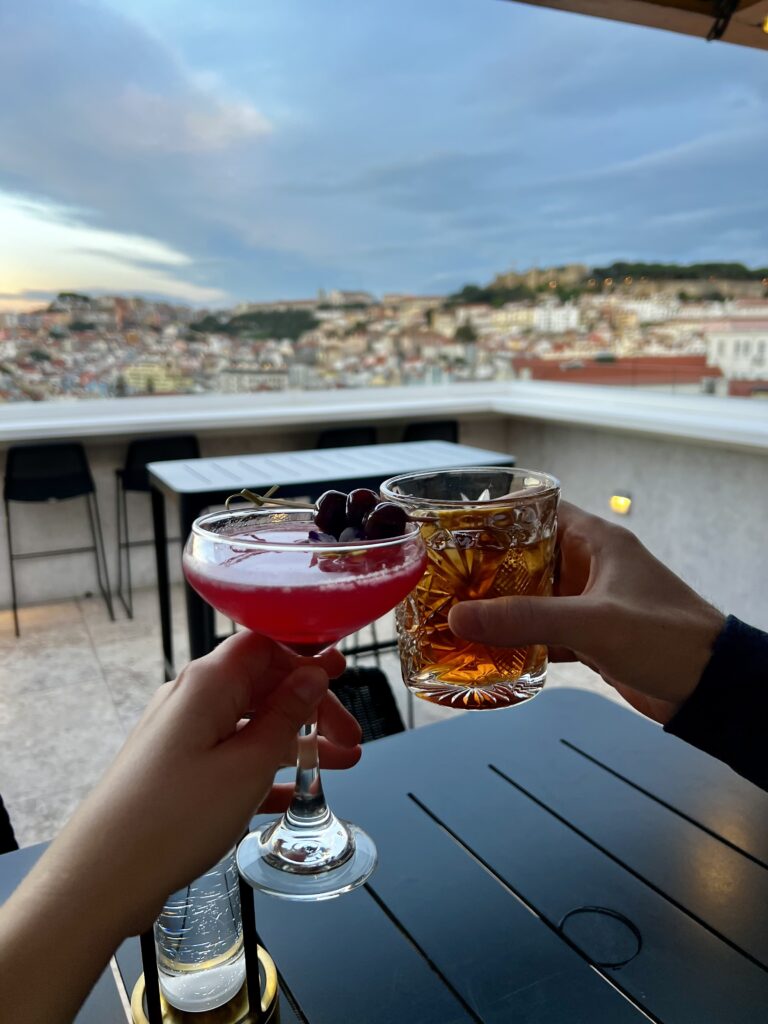
Spend your final evening watching the sunset over the rooftops, savoring a slow dinner, and soaking in the irresistible warmth of Portugal’s capital.
A Week in Portugal, Well Spent
Portugal rewards curiosity — from its dramatic coastlines and soulful cities to the timeless craft of its winemakers. And while there’s always more to discover, this itinerary offers a beautifully balanced glimpse into what makes the country so extraordinary. If you’d like me to design a trip of your own, perhaps even to Portugal, simply fill out the inquiry form on the Begin Your Journey page and I’ll take care of the rest.
Stay tuned for next week’s travel post — new destination, new discoveries, always curated and considered.
Until then,
At your service,
Jess